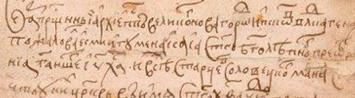
Collection of The Moscow Kremlin State Historical and Cultural Museum and Heritage Site comprises over one hundred sixty thousand historical, cultural and art pieces. There are only nine thousand objects on display in the permanent exhibition of the museum.
The overall chronological frame is rather wide – from the end of the 3rd millennium B.C. to the present. The main part of the museum’s collections belongs to the period of the Russian medieval and modern history.
The peculiarity of the Moscow Kremlin Museums’ collection lies in the history of its origin. The collection is based on treasures preserved for centuries in the Treasury of Moscow Grand Princes and Tsars in the Kremlin. Dynastic regalia were used at festive court ceremonies, such as coronations, receptions of foreign ambassadors and ceremonial processions of the rulers.
The works of the Kremlin masters, gifts from foreign rulers and ambassadors, presents from Russian nobles and acquisitions at home and abroad were the sources for filling the royal treasury.
At the beginning of the 18th century, when the capital moved to Saint Petersburg, the work of the palace institutions and workshops ceased. They were integrated into the unified storage of ancient artefacts, which led to the museum’s establishment in the Kremlin in 1806 by decree of Emperor Alexander I.
Between 1806 and 1917, the museum’s collection was supplemented by items from the palace’s possessions, imperial gifts, archaeological finds and purchases. The artillery collection of the Moscow Kremlin, one of the largest in the world, was registered at that time.
After the October Revolution of 1917, the collection was replenished with the Russian Orthodox Church’s valuables from the closed and destroyed churches, cathedrals and monasteries. These were mainly valuables from the Patriarch’s sacristy, the sacristies of the Kremlin’s cathedrals and monasteries founded on its territory. Their transfer to the museum saved many of them from being destroyed and sold abroad.
During the Soviet period, the museum collection was enriched by planned acquisitions, transfers from state and private institutions, gifts from individuals, and archaeological research in the territory of the Moscow Kremlin.
The Moscow Kremlin Museums’ collection is still growing. The historic collection of masterpieces, many of which have become the symbols of the Russian State and culture, make the museum a treasure house.